
Newaygo County Traffic Warrants Explained
A traffic warrant is a court order that follows a driver who never answered a citation or who ignored what the court told them to do. It is a court record through and through, held by the same court that handled the ticket, and it grows out of that existing case rather than starting a new one. In Newaygo County, that court is the 78th District Court, which handles traffic and ordinance matters for Newaygo and Lake Counties. The clerk there is the person who can confirm whether an order exists, quote what it would take to lift it, and read out what the file shows today. No other office owns that file, so the court is where the answer lives. Nothing else substitutes for asking directly.
Where a Newaygo County Traffic Warrant Starts
A Newaygo County traffic warrant travels a chain with four links, and most drivers meet the system somewhere in the middle. The city of Fremont answers traffic questions by pointing drivers to the court that holds the ticket rather than handling citation matters itself. The city posts its referral on its own FAQ page, and the District Court takes every question from there.
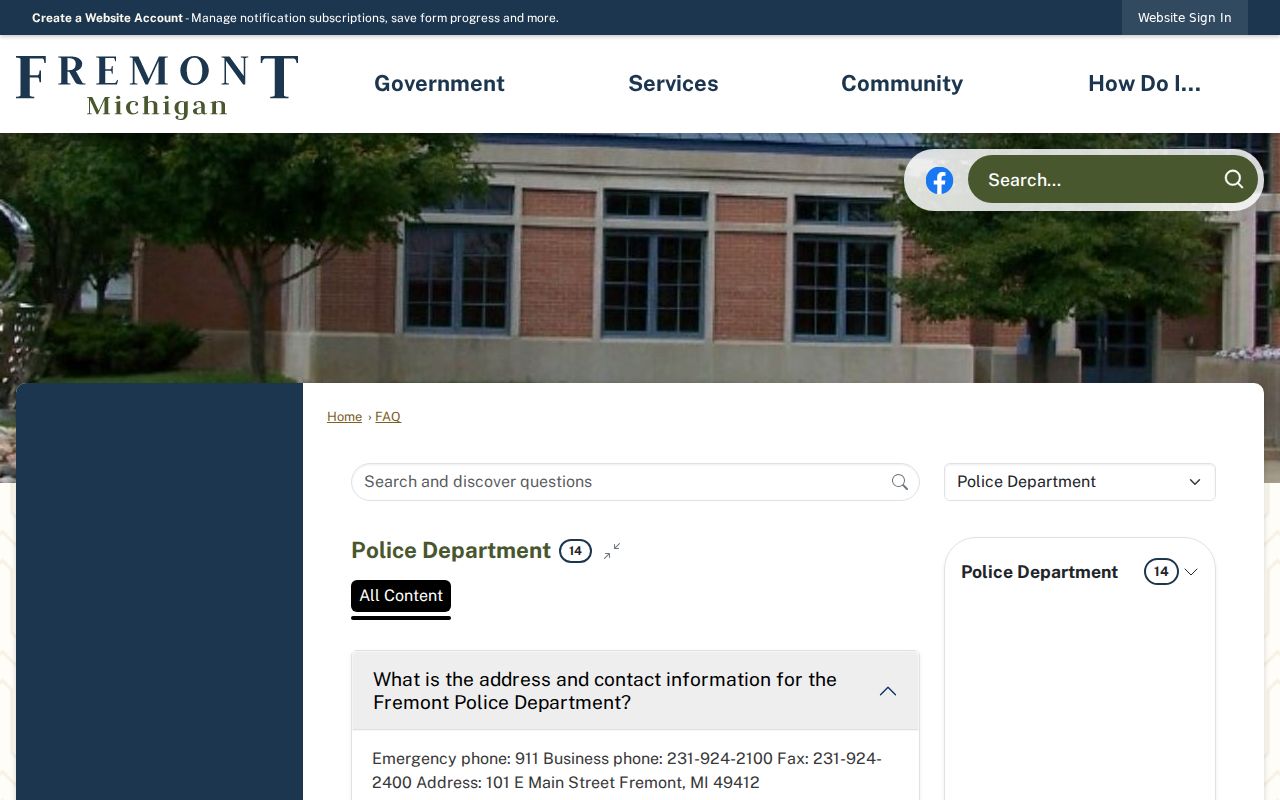
The sequence starts with a citation or notice to appear. Failure to answer or comply comes next. The court then sends a notice under MCL 257.321a with a short response period, and if the driver still stays silent, it can report the failure to the state licensing agency and, where the requirements are met, sign an order for arrest. Fremont's own traffic page sends every citation question to the District Court rather than to the police department, which tells you where the real decisions sit in Newaygo County.
Note: The police department that wrote the ticket identifies the citation, while the District Court controls the warrant and the clearance.
Checking for a Traffic Warrant
Newaygo County has no traffic warrant search box. Start with the court that holds the ticket instead, and give the clerk the citation number if you still have it. From there, try the case number, then your name and the date of the stop.
- Call the District Court traffic line at (231) 689-7255, the number the city of Fremont publishes for citation questions, and confirm it against the court's current general lines at (231) 689-7257 and (231) 689-7258.
- Search the statewide case system for the court and case year, then read the docket events rather than the case title.
- Ask the city police department that issued the citation only for the citation details, since it does not set or clear court warrants.
- Send a written request to the county records coordinator if you need a copy of an agency record, or ask the court clerk for a copy of the court file.
Ask the Newaygo County clerk one direct question: does the file show an open order today? The docket may carry an older entry that was recalled or paid long ago. Only the court can say which entry is current, so the clerk's answer is the one that counts.
The Newaygo County Traffic Warrant Clearance Fee
Michigan puts a specific price on a failure to answer. Under MCL 257.321a, the state licensing agency may suspend a driver's license after notice, and that suspension stays put until the court reports compliance and a clearance fee of forty-five dollars is paid for each failure. That fee stands apart from the ticket, the court costs, and any late penalty tacked on in Newaygo County. Two traps catch people here. Paying the court does not automatically clear the licensing record, and paying the licensing fee does not clear the court case. Ask the court what it will report, then ask the state agency to confirm what it has received, so both sides of the record end up satisfied.
Inside a Traffic Warrant Record
The Newaygo County court file for a traffic warrant carries the same pieces as any other case record. A few details, though, matter specifically to citations and are worth knowing before you ask for copies.
| Citation number | The number from the ticket or notice, which is the fastest way to pull the file. |
|---|---|
| Case number | The court's own identifier, shown with the court code such as C27 on the Circuit side. |
| Issuing agency | The police department or county agency that wrote the citation. |
| Matter type | Civil infraction, misdemeanor, or ordinance case, which decides the process. |
| Notices sent | The failure-to-answer notice and its response deadline. |
| Amounts owed | Fine, costs, and any late penalty as the court records them. |
| Status | Open, paid, default, or an order outstanding, as the file reads now. |
Newaygo County Traffic Warrants and Sworn Complaints
Not every missed traffic date in Newaygo County produces an arrest order, and the reason is statutory. Under MCL 257.744, a court may not issue an arrest warrant for a failure to answer a civil infraction citation until a sworn complaint has been filed. The practical effect is a step between the missed date and the order. A civil infraction that goes unanswered usually leads to a default, added costs, and a licensing consequence before any arrest process even begins. That gap is your window. Heeding the first notice from the court matters far more than waiting for a warrant to appear, because by then the costs have already stacked up and the options have narrowed.
How to Pay or Lift a Traffic Warrant
Paying and clearing are two different acts in Newaygo County, and the order of operations changes the outcome. Find out what the file requires first. Then pay through the channel the court names, and confirm what the court reports afterward.
Do not assume a payment clears the order. Ask the clerk whether the amount owed closes the case, whether a court appearance is still required, and who reports the compliance to the state. Request a receipt, and ask for written confirmation that the order was lifted rather than merely paid.
The county's bonding information page sets out the payment routes a court accepts.
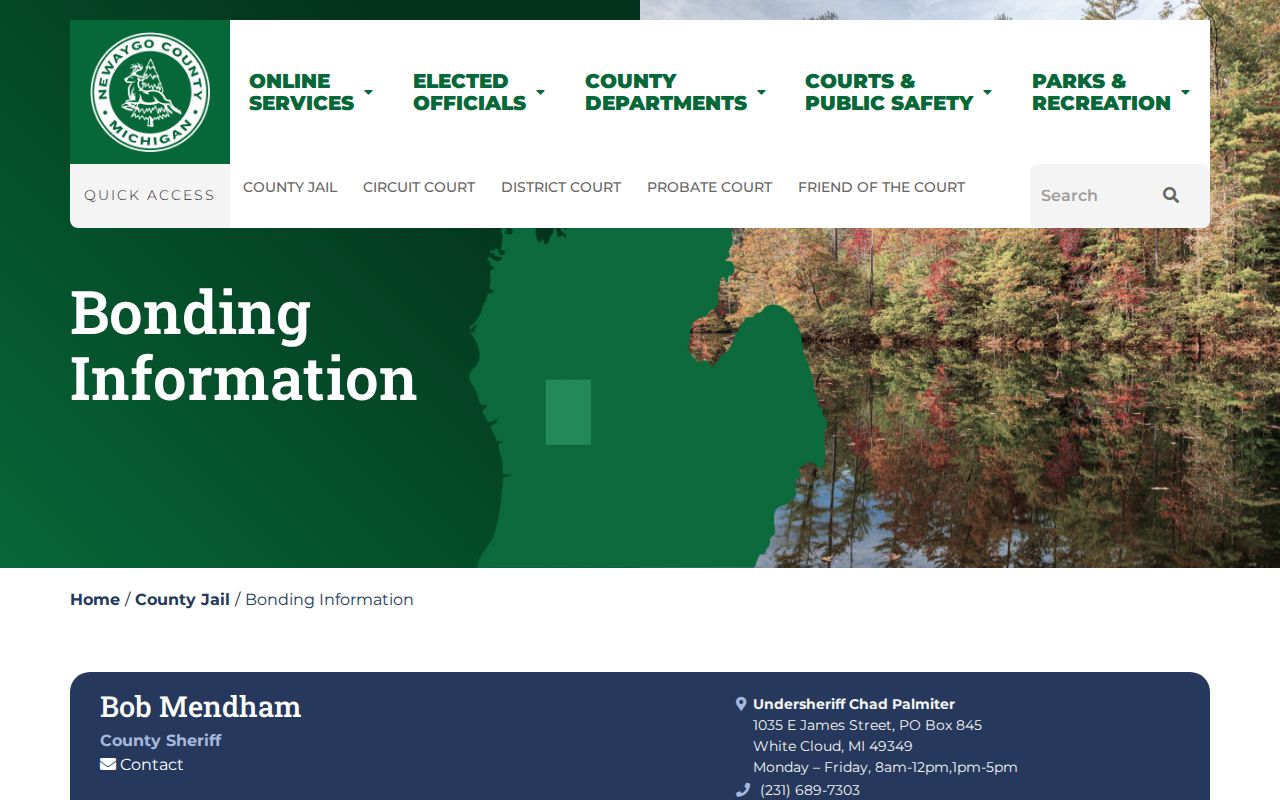
Where a warrant has already issued, some Newaygo County files require a new court date or a bond before the judge will set the case back on track. The county publishes three payment routes for money owed to the courts. Cash works at the court counter on weekdays. An online card payment runs around the clock with a small fee. A licensed bonding company handles surety when that is what the file calls for.
How Newaygo County Cities Handle Traffic Warrants
Newaygo County's four city police departments write the citations, and each one routes the follow-up differently. Fremont sends citation questions straight to the District Court, and its parking process adds a late penalty at ten days before a citation is mailed to the registered owner. White Cloud runs a parking violations bureau inside the police department, and its city code allows a complaint and a warrant request in the District Court when a penalty goes unpaid. Grant takes a different tack. Its Ordinance 56 gives a driver two paths in writing: pay the city, or enter a not-responsible plea and let the 78th District Court hear the matter. Newaygo itself routes city ordinance and traffic matters to the same District Court and keeps no separate warrant counter. In every city, the pattern holds. The city is the starting point for the citation, and the court is the office that owns the warrant.
Traffic Warrants, FTA, and License Holds
A missed traffic date in Newaygo County triggers three separate actions, each moving at its own pace through a different office.
| Step | Who Acts | What It Means for the File |
|---|---|---|
| Failure to appear | The court records it | A docket entry noting the missed date or unanswered notice. |
| Default or added costs | The court | Fines, costs, and late penalties added to the amount owed. |
| License consequence | The court reports, the state acts | The licensing record changes until the court reports compliance and the clearance fee is paid. |
| Warrant | A judge signs it | An order for custody, issued only when the statutory requirements are met. |
Confirming a Newaygo County Traffic Warrant Closed
The last step is the one people skip. A Newaygo County court file can show a paid fine while the state record still carries a hold, since the two systems update on different schedules.
- Ask the District Court clerk for the current status of the case and the date the court last updated it.
- Ask whether the court reported compliance, and to which agency, and write down the answer.
- Confirm the licensing record separately after the court's reporting date, and keep every receipt.
- If the two records disagree, go back to the clerk with the case number rather than starting over.
The court and the licensing side run separately in Newaygo County. The court record controls: the citation, the case, the order, and the payments that close the warrant.